
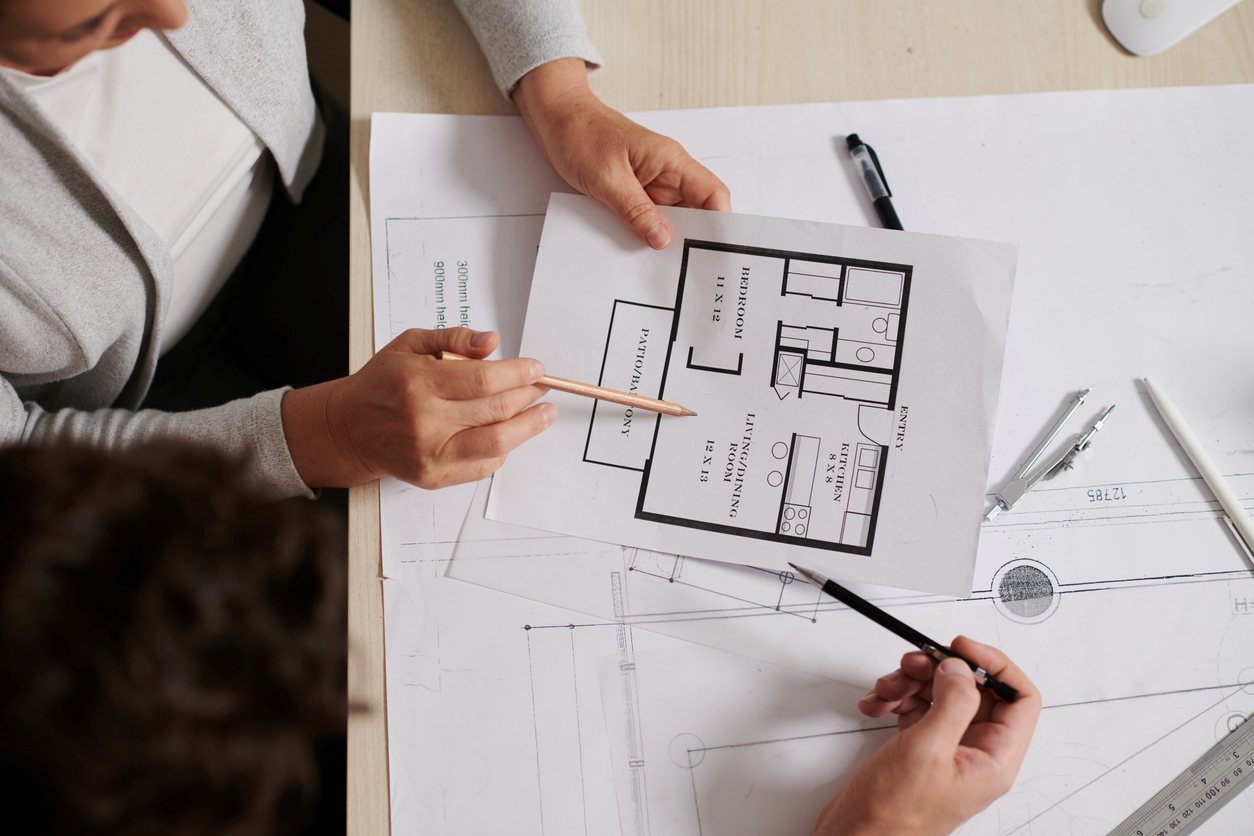
How Space Planning Services Maximize Square Footage
Moving into a new home often brings excitement. That feeling can fade once the reality of setting up each room begins. Furniture does not always fit as expected, storage fills up faster than planned, and daily routines can feel cramped or inefficient. This is especially common for seniors, growing families, or homeowners adjusting to a new layout or a smaller footprint.
Professional space planning services help bridge the gap between how a home looks and how it supports everyday use. Rather than focusing on where items fit, space planning considers movement, storage, and everyday habits. With a clear plan in place, familiar spaces can feel more open, organized, and comfortable.
Why Space Planning Matters More Than Square Footage
A larger home does not automatically mean better functionality. Many homeowners struggle with rooms that feel crowded or underused simply because the layout does not match their lifestyle.
Residential space planning focuses on how people live in a space, not just how much space they have. It considers walking paths, room transitions, and accessibility so that each area supports daily routines. This is especially important for homeowners with mobility concerns or those looking to simplify their living environment.
Taking time to plan also helps avoid rushed decisions during a move. Instead of placing furniture wherever it fits, homeowners can create a thoughtful layout that feels intentional from the first day in their new home.
How Space Planning Services Improve Traffic Flow

One of the most noticeable benefits of professional space planning is improved traffic flow throughout the home. When furniture placement and room layouts are not carefully considered, movement can feel restricted and awkward.
Space planning professionals evaluate how people move from room to room and identify areas where pathways can be cleared or adjusted. Small changes can make everyday movement feel easier and more natural.
Clear traffic flow also supports safety. Open walkways and defined paths help reduce the risk of trips and falls, which is especially valuable for seniors and anyone planning to age in place.
The Role of Space Planning in Interior Design
Space planning interior design focuses on how each room functions within the home as a whole. Instead of treating spaces individually, this approach considers scale, layout, and how furniture placement affects movement and daily routines.
When rooms are planned without considering proportion, even larger areas can feel crowded or inefficient. Space planning helps balance furniture size with available space so rooms feel comfortable rather than overfilled.
This process also supports long-term usability. By aligning layout decisions with daily habits, homeowners can maintain organized spaces that remain practical as needs change over time.
Making Small Spaces Feel Larger
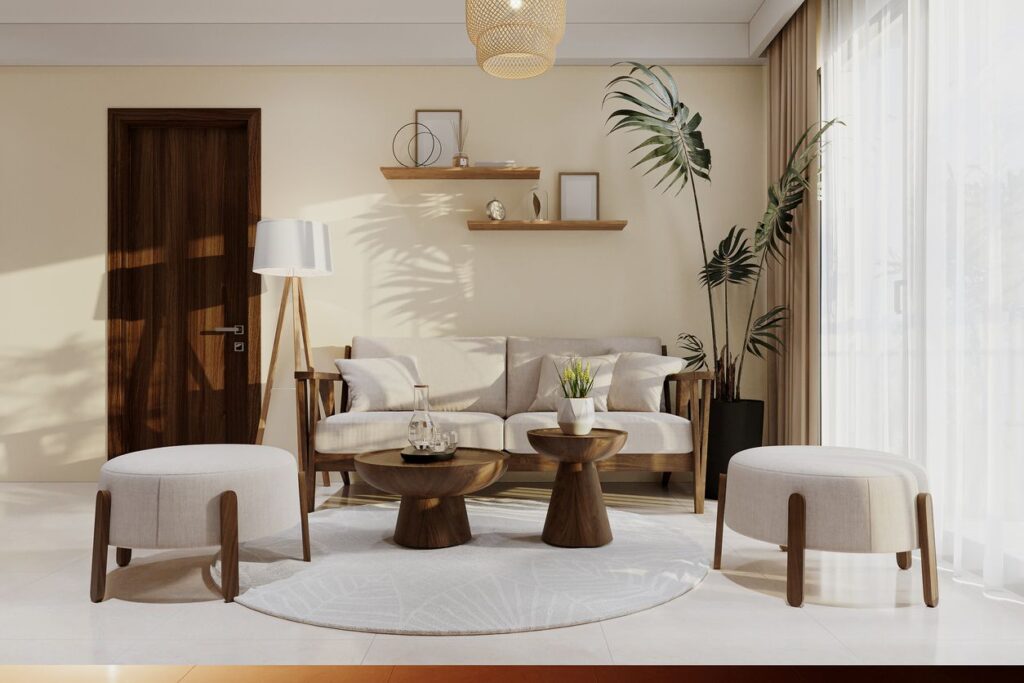
Smaller rooms often feel limiting when layout decisions are made without a clear plan. Furniture that is too large, poorly defined walkways, or a lack of storage zones can make compact spaces feel crowded and difficult to use.
Home space planning focuses on scale, spacing, and purpose. By choosing furniture that fits the room and arranging it to support daily movement, space planners help create layouts that feel open and functional without removing what matters most. This approach becomes even more effective when layout decisions are supported by thoughtful home-organizing solutions that help align storage, furniture placement, and everyday routines into a cohesive system.
This combination works especially well in guest rooms, home offices, and shared living areas. Thoughtful placement allows one space to serve multiple needs while maintaining comfort and visual balance, reducing visual clutter without sacrificing usability.
Common Layout Mistakes Space Planners Help Avoid
Many layout challenges come from decisions made without considering how the home functions as a whole. Professional space planners help homeowners avoid issues such as:
- Crowding rooms with furniture that limits movement
- Ignoring storage needs during layout decisions
- Creating areas that have no clear purpose
- Placing frequently used items far from where they are needed
Addressing these concerns early helps prevent frustration and makes it easier to settle into a new space with confidence.
Space Planning and Storage Efficiency
Storage often becomes a challenge when it is treated as a last step rather than part of the layout itself. Without a clear plan, frequently used items end up scattered throughout the home, while closets and cabinets fill quickly with little structure.
Residential space planning treats storage as part of how a home functions day to day. Items used daily are placed where they are easiest to reach, while seasonal or less-used belongings are grouped intentionally. In many homes, this kind of decision-making naturally overlaps with sorting and downsizing services, since determining what stays within reach depends on understanding how often items are actually used.
When storage decisions are aligned with layout planning, home organization solutions help create systems that are easier to maintain over time and reduce the need for constant reorganization.
Supporting Life Transitions With Thoughtful Planning
Many moves occur alongside major life changes, such as retirement, family growth, or relocation to better meet current needs. These transitions often lead to a series of decisions that affect how the space supports daily living from the very beginning.
Thoughtful planning helps reduce the pressure that can build during these moments. When layout choices and timing are coordinated early, homeowners avoid reactive decisions that create friction after the move. This kind of coordination is often supported through move management assistance, which keeps planning decisions aligned as the transition unfolds.
With the details handled in a more structured way, homeowners can focus on settling into their next chapter, knowing their space was planned with intention rather than in a rush.
The Long-Term Value of Professional Space Planning
Professional space planning services add value that extends well beyond move-in day. Homes designed with intention are easier to live in over time, requiring fewer adjustments as lifestyles shift and needs evolve.
Rather than reacting to space limitations later, homeowners benefit from layouts that remain practical and flexible. This long-term approach supports consistency in daily living and helps spaces continue to feel comfortable as life changes.
Create a Home That Works for You With WellRive
WellRive offers professional space planning services designed to help homeowners feel comfortable and supported as they shape spaces that reflect how they live today.
If you are preparing for a move or rethinking how your home functions, contact us or call us to speak with our team and start a conversation about creating a space that truly works for you.

For the in-between seasons.
If you’re navigating change — helping a parent, preparing to downsize, or stepping into a new chapter — we write thoughtful letters for moments like this.