
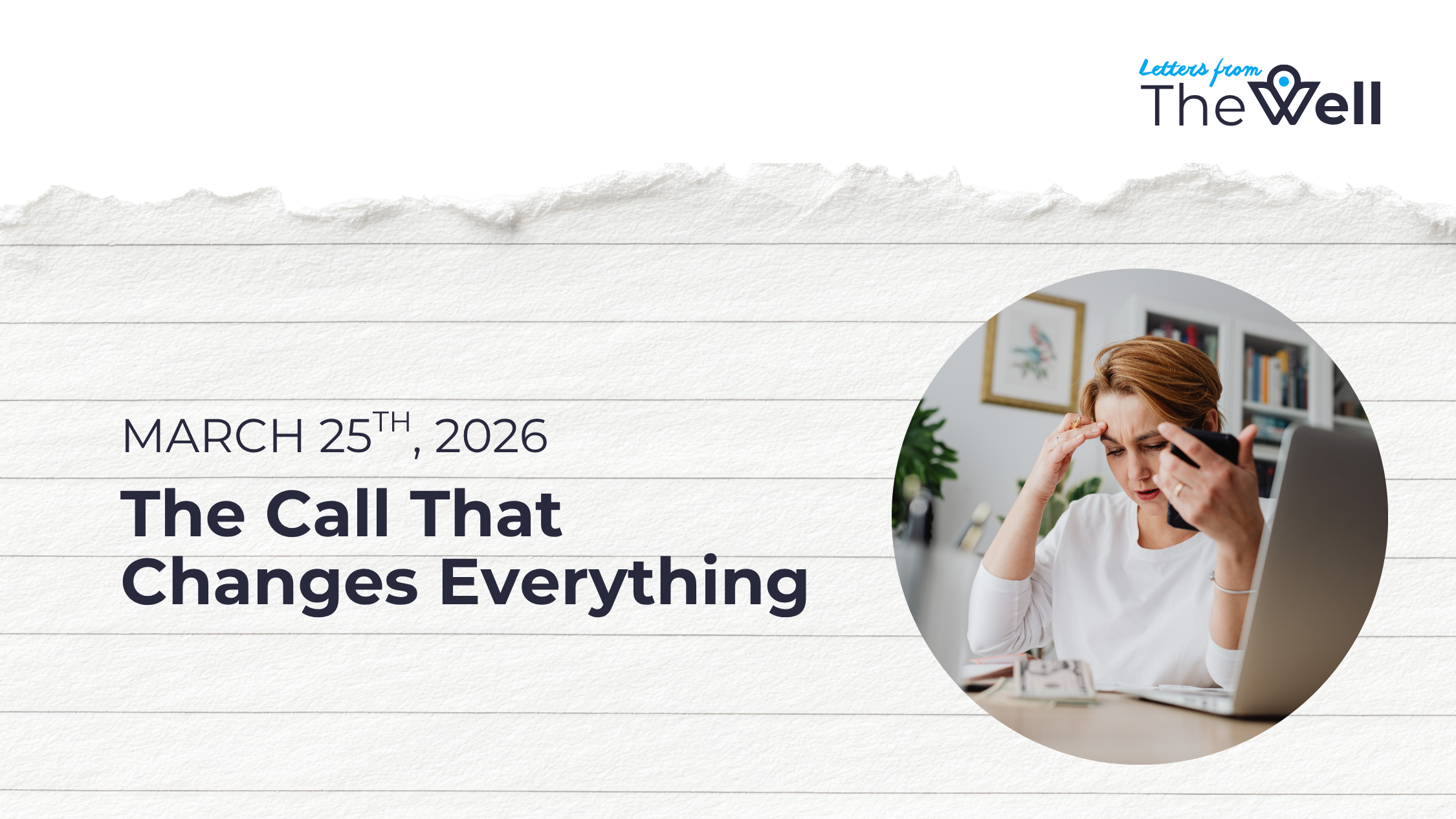
The Call that Changes Everything
There’s a particular kind of phone call that seems to target our parents and grandparents with uncanny precision: urgent, emotional, just believable enough to bypass logic. In my husband’s family, that call came in the form of a panicked voice claiming to be him, stranded in Mexico, in jail, needing $7,000 immediately. No time to explain. No time to question. Just wire the money.
And his grandmother did.
The next morning, she went to Walmart, stood at the Western Union counter, and sent the money to a stranger.
When we talk about fraud, we often imagine obvious scams: sketchy emails, misspelled texts, suspicious links. But the reality is far more personal and far more sophisticated. These aren’t just scams. They’re social engineering masterpieces, built on trust, urgency, and emotion. And they’re working.
It’s easy, too easy, to frame this as a “they should have known better” situation. But that misses the point. Skepticism wasn’t always a survival skill. For a generation that grew up trusting institutions, answering the phone, and taking people at their word, it was almost impolite. Now they’re navigating a world where caller ID can be spoofed, voices can be mimicked, and emails can look identical to the real thing. Scammers know exactly how to exploit that gap.
The grandparent scam, like the one my husband’s grandmother experienced, is one of the most common. It preys on love and fear. A grandchild is in trouble. They need money fast. Don’t tell anyone. Act now. There’s also the tech support scam, where a pop-up warns of a virus and a friendly “technician” walks them through granting remote access, straight into their bank account. Romance scams are as heartbreaking as they are financially devastating: a perfect partner, months of connection, then a crisis that needs money. And the classics keep evolving: fake IRS calls, Medicare fraud, phishing emails dressed up as Amazon or your bank, investment pitches promising high returns with low risk. Each one is tailored. Each one feels real.
Here’s the part that should make all of us pause, though: these scams aren’t just effective because of age. They work because they exploit human nature. You would probably send money if you truly believed your loved one was in danger. You might click a link that looked exactly like your bank warning of suspicious activity. You might trust a voice that sounds exactly like someone you know.
And the tools scammers are using are getting better. We’re already seeing AI-generated voices that can mimic someone from just a short audio sample, complete with their tone, their quirks, and their breathing patterns. Hyper-personalized scripts built from everything people share online: birthdays, travel plans, family names. Deepfake video that makes a message from a trusted face look completely real. This isn’t science fiction. It’s already starting.
So what do we do? First, we talk about it openly, regularly, and without judgment. One of the biggest barriers to preventing fraud is embarrassment. People don’t want to admit they’ve been tricked, so they stay quiet, and scammers keep winning. If you have older relatives, bring this up casually, without alarm. Share stories. Normalize the idea that anyone can be targeted.
It also helps to set up simple family protocols: if someone calls asking for money, hang up and call them back directly. Pick a family safe word to verify real emergencies. Never wire money or send gift cards without double-checking first. Small speed bumps can disrupt a scam entirely.
And it’s worth resisting the urge to think of this as someone else’s problem. We’re all aging into a future where scams will be more advanced than anything we’ve seen today. The habits worth building now are simple: pause before reacting to urgency, verify before trusting, and get comfortable saying “let me double-check that.”
When my husband’s grandmother realized what had happened, she was devastated, not just about the money, but about being deceived. That’s the part we don’t talk about enough: the emotional toll, the loss of confidence, the feeling of how could I have let this happen? But she responded exactly how a loving grandmother would. She believed her grandson needed her and she acted. The scam wasn’t a failure of intelligence. It was a manipulation of care.
That’s something all of us are susceptible to. So maybe the goal isn’t to become perfectly scam-proof. Maybe it’s just to stay skeptical enough, aware enough, slow enough to catch the moment when something feels off. The fraudsters aren’t going anywhere. But neither are we.

For the in-between seasons.
If you’re navigating change — helping a parent, preparing to downsize, or stepping into a new chapter — we write thoughtful letters for moments like this.